3-3-3 Rule for Pet Adoption: 3 Days, 3 Weeks, 3 Months
What is the 3-3-3 rule for pet adoption?
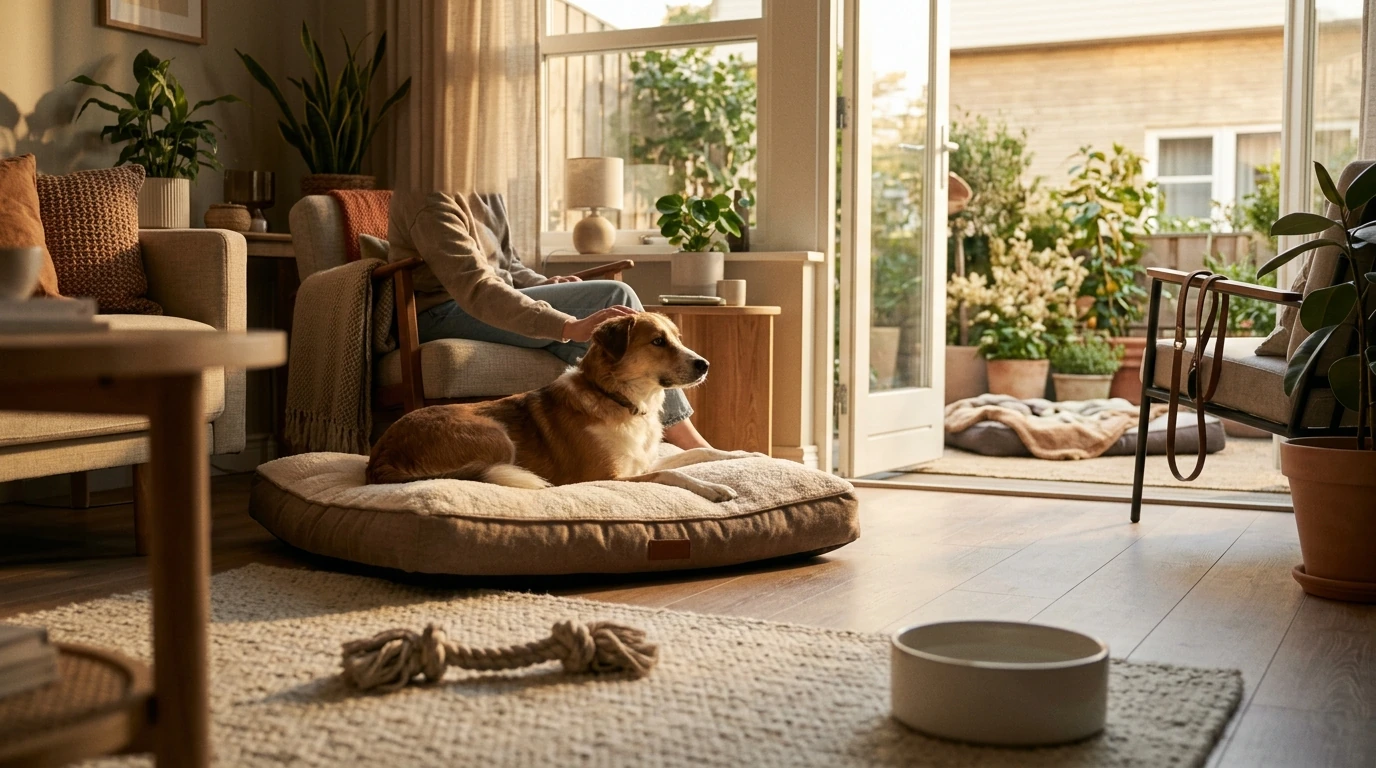
The 3-3-3 rule is a simple timeline that helps set realistic expectations after adopting a pet, especially a rescue dog. It describes how many pets typically adjust in three stages: the first 3 days, the first 3 weeks, and the first 3 months. Not every animal follows the schedule exactly, but it’s a helpful way to understand why early behaviors can change as your new pet feels safer and more settled.
How does the 3-3-3 rule work?
The first 3 days: decompression
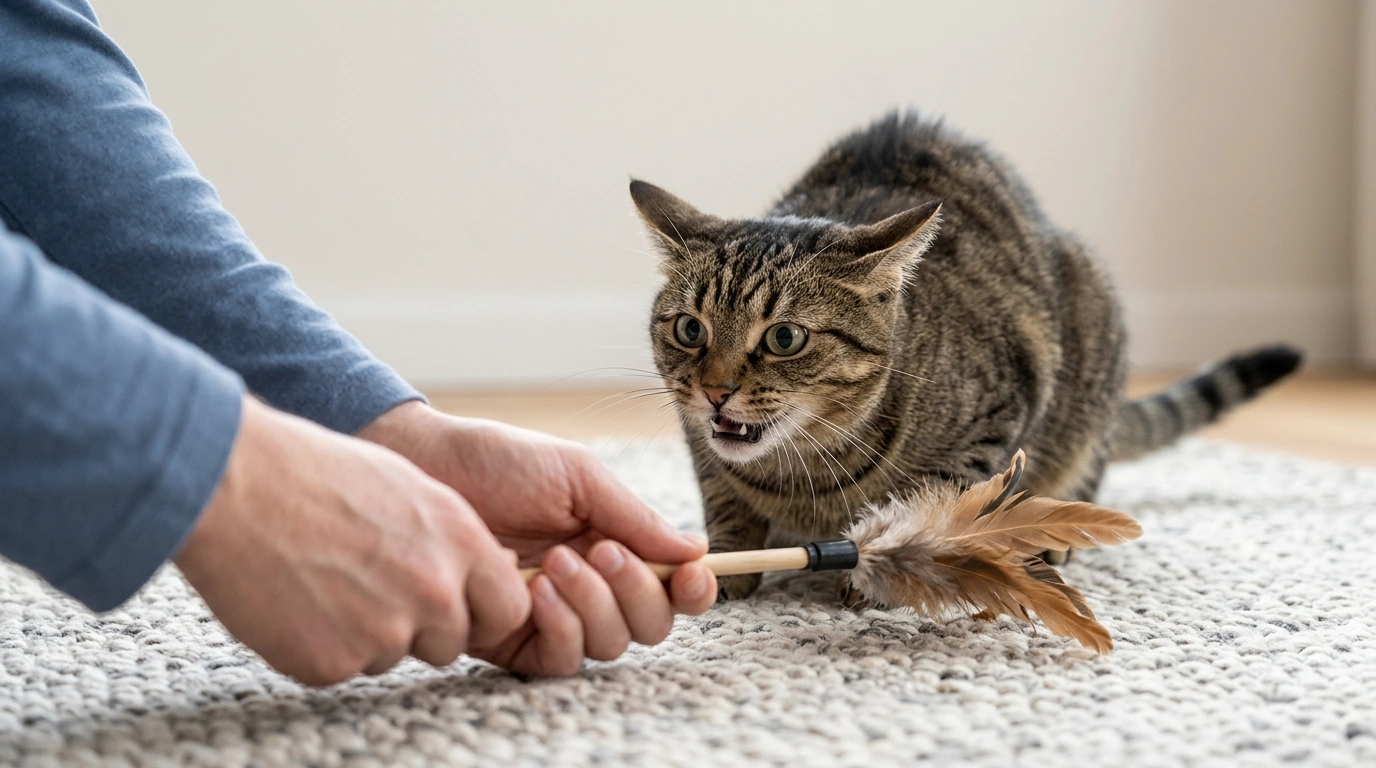
During the first few days, many pets are overwhelmed. They may seem shy, clingy, tired, or even unusually calm. Others might pace, hide, have accidents, or show stress signals like panting and decreased appetite. Keep routines simple: quiet space, predictable potty breaks, gentle introductions, and minimal visitors.
The first 3 weeks: learning the routine
As the days stack up, your pet starts to understand the household schedule and what’s expected. This is when personality often begins to show more clearly—along with any training gaps. Consistency matters: same feeding times, the same potty spot, short training sessions, and positive reinforcement. Gradually introduce new people, pets, and environments so your pet can build confidence without being flooded.
The first 3 months: settling in and bonding
By around three months, many pets feel like this is truly home. Trust deepens, attachment grows, and behavior typically becomes more stable. It’s also common for issues like separation anxiety or reactivity to become more noticeable once your pet is comfortable enough to express big feelings. Continuing training, enrichment, and structured exercise helps maintain progress.
For a deeper breakdown and practical tips for each stage, visit the full guide to the 3-3-3 rule for pet adoption.
FAQ
How can I help my new pet feel safe during the first week?
Create a quiet “home base,” keep a predictable routine, and limit introductions. Offer treats and praise for calm behavior, and avoid forcing interaction—let your pet come to you at their own pace.










Leave a comment